RSS

Blog

Montane Lakeland 100 2026 - Race Report - Comments (0)

The Montane Lakeland 100 took place on 24-26 July 2026, beginning at Coniston in the Lake District, UK, and following a 105 mile route around the most mountainous region of England with an elevation gain of 6300m and crucially a cut of 40 hours to complete it. Here staff member Chrissie gives her race report as a first timer to running in Lakeland. Alongside are some choice nuggets of advice and top kit recommendations.
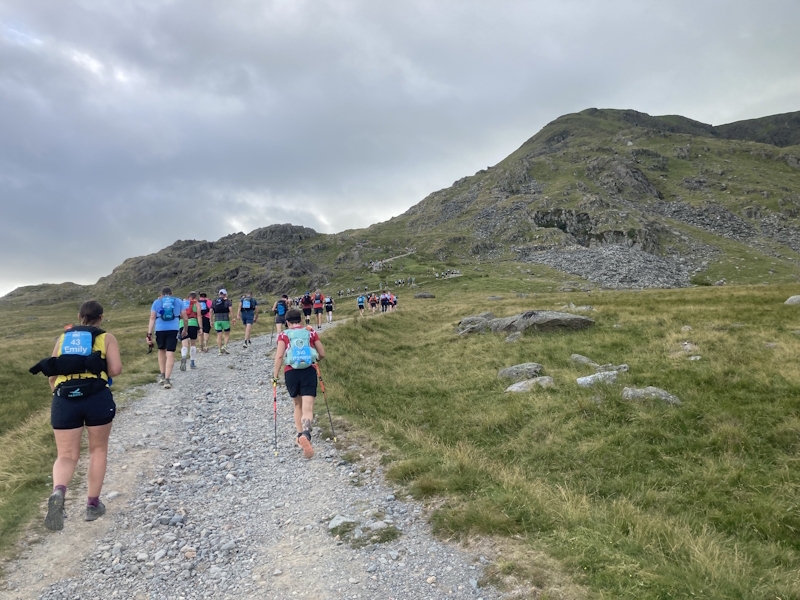
Montane Lakeland 100 - Walna Scar Road

Earlier this year I had the opportunity to take part in the awesome Montane Lakeland 100. This would be my first mountain 100-miler and it turned out to be the toughest race experience I have had. It truly gave me the sense that I had pushed my limits, as well as a feeling of overwhelming gratitude to the amazing race organisers, volunteers and fellow runners for getting me through it. Hugest of thanks to them and kudos to all those who took on this brutal and beautiful course!


As always, going into the race my training wasn’t exactly textbook, and this was my first race outside Wales, so waiting in the pen for the 6pm start there were more than the usual pre-race nerves. However, things got off to a brilliant start – blazing sunshine and the streets of Coniston lined with hundreds of cheering supporters. The scenery was immediately stunning and the mood among the pack was buoyant, even as we waited in a long queue for an early bottleneck to clear. Before I knew it, I was entering the first checkpoint, one of 14, mostly themed, CPs on the route, and this one was an Irish party in Seathwaite at mile 7. As I was handed a shot of Guinness by a cheery leprechaun I though this could be my type of race…


However, as night fell coming into CP2 at Boot and the following section into Wasdale Head progressed, the early elation was replaced with the creeping feeling that I’d bitten off more than I could chew. The elevation seemed unending and the cut offs were closing in on me – I had not received the memo that these were some of the tougher sections and so the feeling that there was another approx 85 miles at this intensity was tough to take. Add to that the punishing conditions under foot – even ignoring that my feet were still recovering from a 100-miler the previous month - the trail was more rocky and rugged than I was used to. We were lucky to experience the course virtually bog-free but the prolonged dry period leading up to the race meant there was just no give in the ground, and my feet were taking a real hammering. 
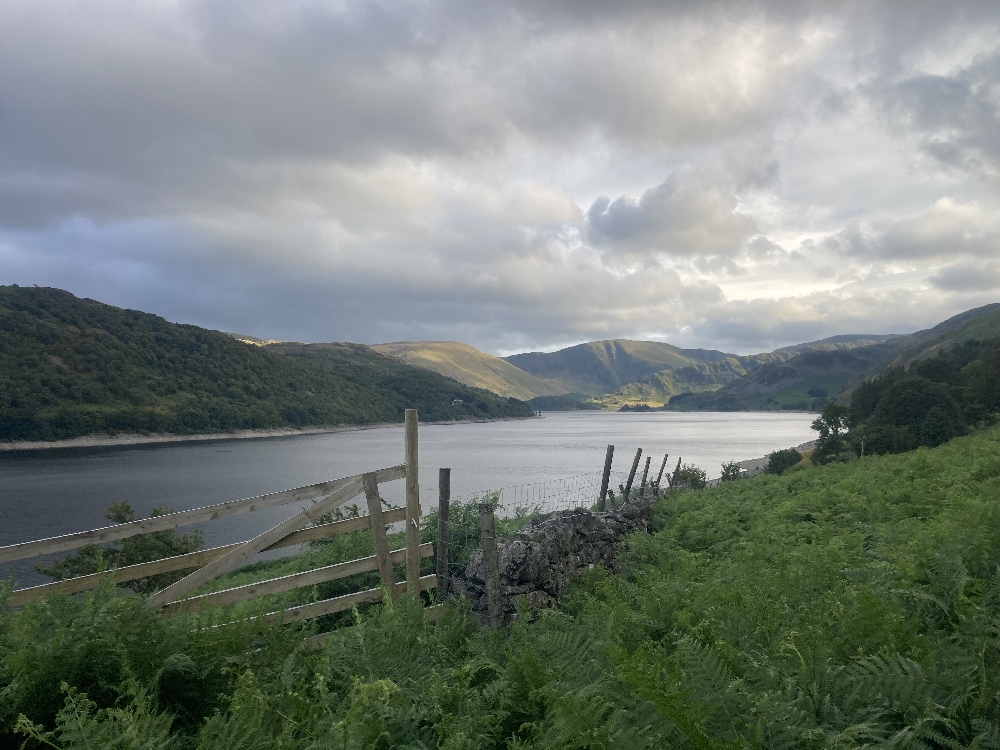
Montane Lakeland 100 - Haweswater


However, as day 2 dawned and I cleared the Braithwaite checkpoint at mile 41, the cut offs stretched out somewhat and there was a period of optimism, but that realisation that I was chasing cut offs from so early on had really got to me and I struggled to settle into a groove. All along though my doubts and struggles were (almost) erased when I came into a checkpoint and was met with gorgeous fellow runners and truly heroic volunteers (usually in themed fancy dress and always massively kind and supportive), who lifted me up and sorted me out. 


As the second night fell things were looking OK – it started raining torrentially after Mardale Head, I was feeling pretty sick and the foot pain was intense, but I thought the pace was sustainable and the timings would work out. However, coming into Kentmere at mile 82 things took a turn for the tricky. For the last several miles approaching the checkpoint I was falling asleep on my feet, I was just about managing to keep the legs going, but the urge to lie down and close my eyes in the rainwater cascading down the path was torturous. I kept myself shuffling along with promises that I could have ten minutes of sleep when I reached the checkpoint and the relief when it came into view was intense. Unfortunately, on arrival I was informed that the checkpoint would close in half an hour and the tight turnaround meant there was zero chance of sleep, so I smashed a coffee and headed back out into the night. This was me taken to approximately my limit. However, the news that the cut offs were once again after me (plus probably the coffee!) really woke me up and I picked up the pace substantially. For the next section I clawed back some time and at Ambleside and mile 89 the outlook had cheered up considerably. There was a rumour flying around that we would not get cut off after this point and the possibility that I might now be able to finish (which had felt all but lost at Kentmere) gave me a boost. It didn’t last long though and maybe it was the feeling that I had time, maybe it was the tiredness and the feet, but I slowed down and was shocked when I realised my ETA was looking perilously close to the 40-hour limit. 


Still, the sun emerged and a rainbow appeared as I began my final descent down into Coniston, and the home-stretch adrenaline erased the pain enough to let me have a gorgeous and joyous run through the town and into the warm and rowdy finish tent where my most hard-earned medal was waiting for me. 


My advice if anyone is considering taking on the iconic Lakeland 100 is absolutely go for it – the atmosphere, scenery, support and community on the race are all incredible and the experience is unforgettable – just maybe don’t underestimate it like I did!
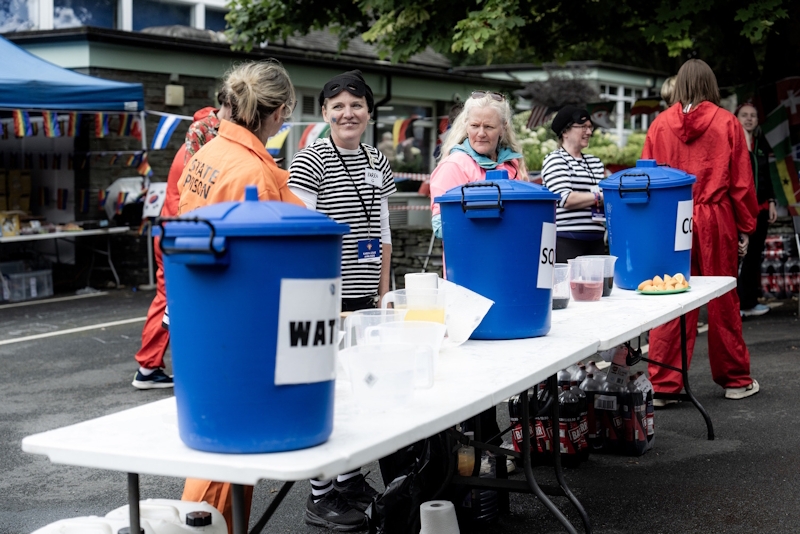
Montane Lakeland 100 - Checkpoint Team - Ian Corless


Along with the amazing volunteers and runners on the course, I credit the superb Montane kit with getting me to the finish. Here is a run-down of the kit that I wore and would highly recommend for its performance over the race weekend and through my training:


The Montane Jetstream Trail Running Waterproof Jacket is an absolutely awesome shell featuring the PETRICHOR membrane which makes for high performance waterproofing with supreme breathability. I have a tendency to dig out my waterproof just a little on the late side, but the breathability of this jacket means putting it on before I needed it is a comfortable option. In torrential overnight rain on the Lakeland 100 and the Run, Walk, Crawl Pembrokeshire Coastal Path 100, I stayed dry from the outside and inside, the hood stayed securely in place and effective for long stretches of sideways rain, and the spacious chest pocket was the perfect place to keep my phone dry while charging. (Up and Under Note: Whilst Montane didn't make the Jetstream Jacket for general release you can find the Petrichor membrane in their Torren and Cetus ranges at Up and Under currently and run specific favourites in the form of the revamped Minimus Lite).


The Montane Women's Featherlite Windproof Jacket is my first running windproof so I have nothing to compare it against, but it has been an absolute game changer for me. Fills that gap in my kit where I’m not necessarily looking to warm up but the wind is going to strip out my warmth and before too long I’m going to start getting cold. Being able to avoid that and retain a decent core temperature can be an absolute race-saver. This jacket is so effective at blocking out the wind while feeling super comfortable and breathable and weighing virtually nothing. It packs down so unbelievably tiny that it is a complete no-brainer to take it on every run. (Up and Under Note: Although every member of staff (now) has at least one windproof and gets loads of use out of them for running, walking, climbing and much more, we always seem to get the comment, but it's not waterproof so why would I carry it. But weighing less and packing smaller than an energy bar they keep you so much more comfortable across a wide range of temperatures and conditions, so we all think why wouldn't you have one. Here's a link to the running windproofs that we currently range including a few sale items).


The Montane Women's Fortes Nano Insulated Half-Zip Jacket was an absolute staple of my winter training and in cold/freezing temperatures I’ve been super impressed by the warmth of this top, even when moving slowly. The windproofed rip-stop and Primaloft insulation provide an amazing shield against the cold and has stood up to some serious conditions over winter – sub-zero summits with 40 mph winds and speeding cloud cover. Knowing how well this jacket performs is great for peace of mind going into cold nights on a 100-miler or when body temperature drops as tiredness creeps in. I wore this overnight at the Lakeland and stayed warm throughout. The cuffs are brilliantly designed to seal in warmth while being exceptionally soft and comfortable, and super easy to lift over a watch when needed. Despite exceptional warmth of this jacket, the breathability and moisture management has meant that it has stayed comfortable even when pushing it up hills. I’m prone to overheating even in cool conditions so I have loved the wide comfort range which has meant no need for shedding layers in changing conditions and exertion levels. Visibility on the mountain is also a definite consideration for me and so another big plus has been hearing from others on how well the Seabreeze colour stood out from a distance. (Up and Under Note: We haven't stocked this particular product as so many races require a certain gram of insulation to be carried and the Fortes Nano comes in at 210g compared to the Fortes Lite at 335g, but to compare the Nano use 40g insulation in the Torso where as the Lite uses 60g).


The Montane Dart Nano T-shirt is my favourite running base layer. This t-shirt weighs next to nothing (60g), wicks like crazy and feels great against the skin, making it a super comfy choice in warm conditions. It’s also excellent layered on cooler runs – I would wear it for every single run if I could.


The Montane Dart XT Thermal Beanie is my favourite to wear and carry. It’s supremely warm for its weight, and by far the most comfortable I’ve tried – super soft with low profile seams and it stays perfectly in place without a hint of tightness or pressure. As a kit list item, it has the added bonus of weighing half what my buff weighs. 


The Montane Women's Trail Lite Gloves have been fab on other events and in training: lightweight, super comfy and surprisingly tough (they have stood up to some heavy pole use, rock scrambling and the occasional tumble and still look like new). They work well with a touch screen and have a super soft nose wipe. I didn’t get them out of the pack on this event and they are a good choice for that too, being so super light and packable!


I also didn’t wear the Montane Women's Dart XT Thermal Zip Neck T-Shirt as the Lakeland requires your emergency base layers to arrive at the finish unworn, but this top has been epic in some of my more frosty winter runs. It’s properly toasty and super soft and comfortable and when you are carrying something that is only for emergencies it makes sense to know you have something seriously warm tucked away dry in your pack!

The Montane Women's Slipstream Thermal Trail Running Tights is another absolute staple of my winter training gear, and are the most comfortable I’ve worn and provide exceptional warmth even in the most gruesome conditions. I wore these over winter in training and racing, and in battering wind and rain they kept me warm and comfortable. The range of movement is completely unrestricted and they fit perfectly without any points of pressure. The thigh panels are a thicker, more wind resistant fabric, eliminating one of my problem areas when the going gets cold. Again, these were required to be returned to the finish dry and smelling fresh and so they stayed at the bottom of my pack but I was glad to know they were there and as we head into the autumn they are about to come back into constant use!

(Up and Under note: If there is anything that you ever need from Montane that we don't have in stock or range that you would like us to get in for you, we will always try whenever possible to get it for you.)

Montane Lakeland 100 - final thoughts


Watersports and Water Rescue PPE - The Simple Facts, Along with PFD Float Testing - Comments (0)

At Up and Under (Outdoor Gear) Ltd, we are very proud to be the number one supplier for Outdoor Education Centres, Schools, Scout Groups and many other organisations for the supply of watersports PPE (PPE - Personal Protective Equipment). We also supply a wide range of PPE gear for other sports such as Climbing. In addition to that, we also offer a comprehensive range of work at height and professional rescue PPE.

Over the last yearm we have see a major increase in customers asking "How long should buoyancy aid last". The answer to this question is not that simple. But, we are hoping by reading the info below it wll give you more help and guidnace. 

If you have a question, please do get in touch!  

With an increasing array of equipment becoming PPE in the Climbing, Rope Access and Rope Rescue Market, questions are getting harder to answer. This is not always made easy as it gets more complicated as rules, guide lines and different manufactures give different shelf lifes and life spans. 

Having such a strong relationshop, with Palm Equipment as they make our Up and Under Centre Cordura Universal PFD for us. We considereded them to be the number one choice with whom to discuss this matter for the first round.  

So, in mid September this year (2026). James our Contract and Watersports Sales Manager took a trip to Palm HQ in Clevedon to meet up with Craig Jones. Craig is the Professional Sales Manager who deals with all things PPE. The converation started over a cup of tea and biscuits. 

So, what is PPE - This will heavily depend on what area of sport you are in. But in simple terms, PPE is Personal Protective Equipment. PPE is equipment that is issued by an actvity provider to keep the user safe. 

What is classed as watersports equipment PPE? This would be equipmet that is issued by the activity provider to maintain the safety of the user. In watersports there are only two items classed as PPE and they are PFD's / Buoyancy Aid and a helmets. 

So whether your running an outdoor centre issung a PFD or a Helmet. It falls as PPE. If you are a professional user such as a resuce team, again your PFD classes as PPE.

When a PFD or a watersports helmet is made, they all come with a manufacture date which is clearly displayed internally within the product. Typically with Palm Equipment, they will use a very simple system which is referred two as quarters. This is then followed by the year, So as per image this is manufactured in Quarter 2 in 2026. Quarter 2 relates to 1st April through to 30th June. The year is self explanatroy. 

Palm then recommned that their PFDs and Helmets can have a three year shelf life, and up to a maximum of 10 years in use. This runs from the date of purchase by the customer. However, if the customer cant prove their purhase, the default is to use the manufacture date as the base line. 

But, please note that whilst they say up to 10 years lifespan, this is not a guanretee to say that the item of PPE will last for 10- years. It is very importanat, that when buying an item of PPE, it is recodred. This can be easily done by keeping your sales receipt to show the purchase date. You also need to factor, when the PFD was first put into use.

There are still a few further bits of the equation to populate, the main one here is "how often is the garment used"

There are also situations and situations where a PFD pr helmet life span can change. Things like this may occur as more and more testing is carred out. It can also be down to changes of fabric and technology. So in this case the expected lifespan of an item. In this case, the PFD can then increase or reduce lifespan by the new professional guidance that is being given. 

Example One

1st March 2020 - Palm Equipment issue a technical update stating all PFDs have a 5 year lifespan.

1st April 2020 - An Outdoor Centre invests in 10 new Center Zip PFDs. They get put into active use straight away. So, this means that by 31st Martch 2025, that Centre PFD MUST be removed from service.

1st May 2020 - Palm Equipment issue a technical update to state that PFDs can have a lifespan of 10 years. This means that now, the same PFDs MUST be now removed from service by 31st March 2030.

However just due to the life span, it does not mean it can or should stay in service for that long. 

The amount of usegae that a PFD or helmet is subjected to, will determine its active life span. But as a guideline, the more its used, the shorter the lifespan. 

If an Outdoor Centre only used that PFD for one 2-4 hour session of kayaking once, a week. The estiamted life span would be about 5 years. Subject to regular PPE inspections. If it was used for two sessions per weeek, that would eqaute to about 3-5 year life span. If the centre then decided to offer a paddle boarding session for 2 hours per day the estaimated life would drop to 2-3 years. Whilst for daily sessions of 3 horus plus, you would be dropping to about 1-2 years life span.

No Use Light Use Medium Use Heavy Use Intense Use 
Unsued and Stored About 16 hours / month About 8 hours / week About 2 hours / day About 3 / hours day 
10 years 5 Years ish 3-5 Years  2-3 Years  1-2 Years 

Despite all of this guideance, it still does need to pass a regular PPE inspection. We have given someexamples of PPE inspections below. 

When it comes to a PPE Inspection for a PFD, there are three types of inspection. Every Use, Occasional and Yearly. The below is a great guide to help you on your way

Every Use     
  Zips Check they run freely, are free from corrosion and can be fully opened and closed. 
  Buckles  Check they complete and not broken. Check they also open and lock closed correctly. 
  Straps and Webbing  Are they free to slide correctly, making sure there is no abrasion, snags or unravelling.  
  Stitching / Tearing   Check that all sticthing is intact. Also check to see if there are any rips in the fabric that would get worse on impact. 
  Leg Straps  Check that they are with the PFD, if they are meant to be there. check also that the buckles work and the webbing is all intact. 
  Chest Harness Check to make sure it is threaded correctly for what you are doing, Check to make sure it will release correctly and check the webbing is in perfect condition. 

Every Use PPE Check, this is a 15/20 second process that you do each time you fit a client with a PFD. 

Occasional PPE Inspecition, this is something that wont be done on every use. But it can be done on a regular period basis. This is maybe an activity that you do at the end of each week. 

Occasional  Pockets  Check that the zip runs freely, it can beopend and closed with each required use. Also check to make sure that the inside of the pockets are free from debris and rubbish. 
  Abrasion / Wear  Check for excessive levels of abrasion. Including sticthing which may result in a fabric fail on impact. 
  Fading  This will be easily caused by excessive exposure to the sun. This can be checked easily, by comparingthe inside of a pcoekt with the rest of the PFD. If there is excessive fading, it coudl result to material failure. 

Yearly PPE Check, this would be typically done maybe once a year. Possibly as part of your annual equipment ordit. 


Yearly  Foam Check with a pinch test. To make sure that the foam fits and fills the case of the PFD fully. 
  Floatation This would involve doing a full drop test on a PFD to make sure that they are supportingt he correct amoutn of weight. 

Example Two

An Outdoor Centre is getting a coasteering group ready to go out on session. As the instructor issues out the PFDs, he would visually give each client a PFD and a quick once over the check the PFD is fitted correctly. He finds one PFD with a broken buckle. This would then need to be removed from service, it would be handed back into stores for isolation.  At this point, you coudl then action all the above points, check the life spans. You could then do a float test. Based on all the points above being positive and thefloat test being passed. With this assesment, you can then see if its possible / financilly viable to get the broken buckle replaced. 

For a PFD / buoyancy aid to be legally sold here in the UK, it needs to meet the strict guidleines of ISO 12402-05 (50Newton Standard). Selected PFDs and Buoyancy Aids will also carry a rating of ISO 12402-6 which defines a special purpose standard.

Whilst the standard is know as the 50N option, not every PFD has to meet the 50N. On the smaller sizes its nearly impossible to get that much foam onto the torso. 

As a guideline, the basic requirements are below 

Wearer's Weight in kg  30-40 40-50 50-60 60-70 >70
Minimum Buoyancy N 35 40 40 45 50

 One of the biggest questions we get is, I weight XXkg and the PFD is my size does not cover my weight.  The most important factor is, The fit of the PFD need to be the correct size on the torso. 

Palm Equipment make the majority of their PFDs to meet and exceed the ISO regultions. 

So, please see the same table from above now duplicated with Palm sizes and Palm floatation levels added.

Palm PFD Size XXS XS / S M / L XL / XXL
Wearer's Weight in kg  30-50 40-70 60-90 80-110
Minimum Buoyancy N 35 40 45 50
Palm Buoyancy N 50 60 70 80

Palm recommned that a PFD / buoyancy aid is tested every year, from the point of being three years old. 

Having now gained personal experience from testing a PFD, it is infact a very easy process. However you do need to make sure it is carried out in the correct way to get an accuarte reult. 

We tested a PFD in two dfferent ways. 

Firsly, we opted for the simple but effective way with equipment that most people will have readily available. We then did a second test, this time using a set of calibrated scales. This time the result was fractionally more accurate, but both resuts were in the acceptable range.  

As a guideline, Palm suggest and recommned that the guideline for PFD failure is outside of the 10% tolerence of their given weight. so for an XL/XXL pfd from the table above, as long as it exceeds 72n that is acceptable. If it came in at 69n that would potentially be a failure. 

How to test a PFD / Buoyacy Aid. 


Duke of Edinburgh Award Recommended Kit at Up and Under - Comments (0)
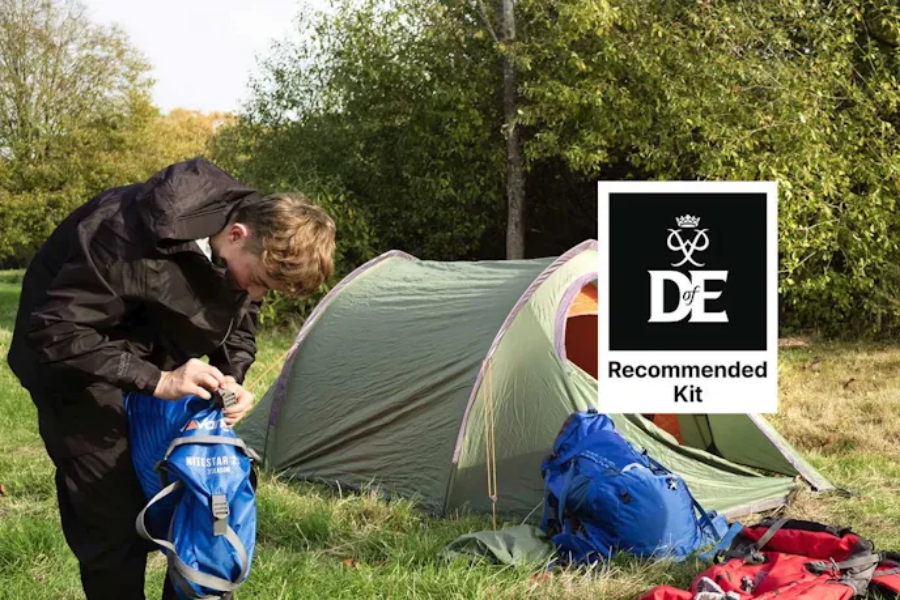
Duke of Edinburgh Award Recommended Kit at Up and Under

Duke of Edinburgh Award Recommended Kit


Whilst we might be better known for our range of carefully selected high end outdoor equipment we pride ourselves on our ranges specifically selected for entrants to the Duke of Edinburgh Award Scheme. These products often make up part of our range for the Outdoor Education sector too. So whether you are an individual looking for some tried and tested products for your backpacking trip, a family looking to prepare their pride and joy for a night under canvas, a Scout Group or Cadet Troop, School or Outdoor Centre this range will be a great place to look.


With over 60 different product lines recommended by the Duke of Edinburgh Scheme in our range we are sure to be able to help you get out side and excel.


Where we don’t agree with the Duke of Edinburgh Recommended Kit List we don’t just blindly carry the stock anyway, we choose alternatives that we think fit the bill with function, fit, performance and value at the forefront of our mind.


Camping


You’ve reached your camp ground, what do you need to get through the night?

Obviously you’ll want a tent and in many cases this will be provided by your Duke of Edinburgh provider, but our recommended offerings come from Vango in the form of the Halo, Helvellyn and Omega ranges. Inside you’ll want to add a Vango Trek Pro 3 sleeping mat and Vango Nitestar Alpha 250 or 350 sleeping bag. If you feel you might want to add a bit of warmth to an existing sleeping bag or add some hygiene to a group use bag the Lifeventure Thermolite and Cotton liners are also recommended.


But before you go to sleep it’s time to get some food in and we carry tried and tested group cooking Trangia 25 larger and 27 smaller stove and pan sets and smaller Vango Folding Gas Stoves, but you’ll need to add pans to the latter. We also carry appropriate fuel to use with them, something that can’t be said of many larger retailers. The Life Systems Stormproof Matches will be sure to get your stove going whatever the weather. We love recommending Wayfayrer food as it’s quick and easy to cook and is much like food you’d buy in a supermarket, without heavy tinned packaging. It’s time to eat and we supply Lifeventure Ellipse crockery and Camping Cutlery or Titanium Cutlery to help you out here. Finally for cleaning up and general hygiene we stock Lifeventure All Purpose Soap and Dry Wash and a Recycled SoftFibre Trek Towel, in a variety of sizes, which packs small and dries quickly.

Keeping hydrated whilst on the go and at camp is super important and for places where water isn’t guaranteed to be completely safe we carry Life Systems Chlorine Dioxide Tablets which are simple and easy to use. If you are heading somewhere more extreme we have lots of other water treatment solutions to help keep you healthy.


On the go


But how do you carry all of this? We have a selection of Vango Denali Pro backpacking packs to reliably and comfortably help you carry it all there too. We stock Silva Classic, Field, Ranger and Expedition 4 compasses to make sure that you actually reach your destination, though it’s down to you to learn how to use them. Make sure to keep the sun off with not only a sun hat and maybe a long sleeved base layer but don’t forget your Life Systems Mountain Suncream Combi and Mountain Sunscreen. And it seems to be becoming harder and harder to avoid the dreaded midge or the mozzy so we supply Life Systems Expedition 50 Pro and Natural Mosquito Repellant. If your expedition takes you somewhere even more exotic we also recommend the Life Systems MicroNet Mosquito Net.


Safety


A first aid kit is a requirement and Life Systems provide us with a Camping, Trek and Waterproof First Aid Kit. Their Echo Whistle and Safety Whistle are vital for letting people know that you are in trouble and their Light Sticks can mark out an area for you to be easily located. If things go wrong then you always have your tent to put a casualty in, but whilst you are pitching it you will need to keep them warm and protected, so we have Life Systems Thermal Blankets and Heatshield Thermal Blankets. If pitching a tent isn’t practical with a casualty or if you quickly need some shelter to give a team moral talk then a survival shelter or bothy bag can be a game changer. We have a 50% off RRP special offer currently on Vango Storm Shelters.


Clothing and Footwear


A lot of the time young people have fast drying, comfortable clothing already in their wardrobe. Check to see if you own polyester underwear, polyester or nylon tees, fleece jumpers, synthetic trousers and leggings for base and mid layers. Just remember to stay away from cotton as it holds onto moisture which will be uncomfortable, can rub and at worst can cause hypothermia. If you don’t have them then we will be able to fill the gaps from our clothing range.


We stock waterproof jackets and trousers that cover a wide range of needs from Bronze to Gold Expeditions at home and abroad starting from as little as £22 and £13 respectively and all carefully selected by Up and Unders ranging team for function, fit, performance and value.


Where we really don’t like to make do is with feet. We stock a range of recommended socks from Bridgedale including Coolmax Liners and Midweight Merino Socks. We carry Hi-Tec Ravine WP walking boots that we can fit in-store to make sure that you make it to the end of your expedition with a smile on your face and no wounds on your feet. We do also carry the Life Systems Blister Kit just in case.


Other things to think about, where we either don’t carry the Duke of Edinburgh Recommended option (our team has found something that they and our customers prefer) or there isn’t a specifc recommended product from the Duke of Edinburgh Award Scheme include:


Rucksack Liners - The Highlander Rucksack Liner is a heavy duty purpose shaped plastic bag or you can choose to use a large Exped DryBag Versa. We feel the Highlander combined with one or two smaller drybags to keep vital kit dry that lives in lid pockets etc. is ideal.

Head torches - It’s Petzl all the way for reliability, the Tikkina is great as you won’t be doing any night navigation and is less expensive and brighter than the least expensive DofE recommended options. If you are considering doing lots of complex night navigation stepping up in their range is worth considering.

Water Bottles and Hydration Bladders - don’t mess around with potential leakers, lid poppers or heavy weights, we recommend a Nalgene 1 Litre bottle or a Hydrapak Contour 2 or 3 litre bladder.

Sun Hat - you probably already have one.

Warm Hat and Glove - you probably already have them, if not we can help here.

Gaiters - help keep the bottom half of your trousers dry, keep bog and water out of your boots with the Highlander Walking Gaiters V2.

Trekking Poles - help your knees, reduce the strain on your quads and stay stable on river crossings, etc. Check out our best priced from world number one brand Leki with their Voyager poles.


Oh and don’t forget to show evidence of your Duke of Edinburgh Award Scheme involvement at the till to get some extra discount. If you are shopping online then drop us an email with photo evidence for your DofE discount code. It usually averages around 16% off RRP!


If you run a business or work in Outdoor Education then as well as the products listed above we strongly recommend taking a look at our purpose built range of clothing and equipment that enable groups of youngsters to train for expeditions time after time after time. If your business doesn’t already deal with us, please feel free to email [email protected] to discuss setting up an account or to get a quote.


International Association of Water Rescue Professionals Conference 2026 - Cardiff International White Water Centre - Comments (0)
International Association of Water Rescue Professionals Conference 2026 - Cardiff International White Water Centre

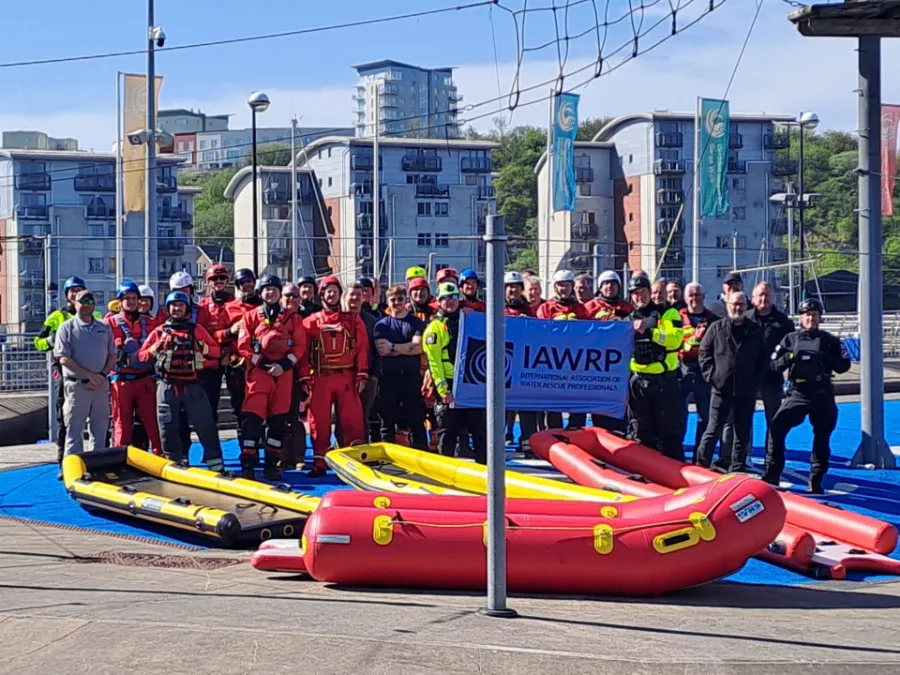
Up and Under staff member James recently had the pleasure of attending the “International Association of Water Rescue Professionals” conference at the Future Inn Cardiff, which included some lectures on water rescue, as well as some practical sessions at Cardiff International White Water Centre.

We had a stand to display some products from our range of water rescue equipment, including items from brands such as Palm, NRS, HF Equipment, paddle-people_official, Adidas, Bestard, Whetman Equipment and Sweet Protection. All the gear had great interest, the most exciting product being the HF Shark Throw Bag which measures in at 20m and incorporates a EN1891 rated canyon rope

At the event there were delegates from:
Shropshire Fire Service
Greater Manchester Fire Service
South Wales Fire Service
Surrey Fire and Rescue
South East Coast Ambulance Service
Birmingham and Midland Marine
Belgian Fire and Rescue Service

A top option to further your training is with Outreach Rescue - https://www.outreachrescue.com/

They were sharing vast levels of extensive knowledge!

James also had the pleasure of meeting several delegates from overseas.

As well as Up and Under, there were also some great other brands of water rescue equipment such as whites drywear (watch this space) https://www.whitesdrywear.com/

Whilst the equipment being in the demonstrations was from one of the market leaders WRS International https://www.wrsinternational.com/en-gb?srsltid=AfmBOoqgqh5zlJx9TuEcIYPNxqTaho9nSKdto_sN-QnG2bnXepdNaK1P and MFC International / respire

NAPSG had some great tech solutions for search and rescue situations whilst Deployed Logix offer a great facility for emergency accommodation - https://deployedlogix.com/

The new normal: PFAS Free Waterproofs and the return of the Softshell - Comments (2)
The pros and cons of life after removing forever chemicals from outdoor clothing. How do things compare to whats gone before and what might we need to do differently. A discussion on DWR's (durable water-repellant coatings), waterproof membranes, waterproof clothing, re-treating garments and footwear and the role of softshells in this new world.
Run, Walk Crawl PCP Coastal Trail Race 2025 Review - Comments (0)
Our Chrissie entered and crushed (our words not hers) the Pembrokeshire Coastal Path 100 mile trail race provided by Run Walk Crawl this June (2025). Found out how she got on, what she thought of the event, the route and what worked and didn't work for her on the day / night / day.
Walking Boot Fitting and Walking Shoe Fitting - Comments (0)
Some of our secrets on walking boot fitting released to the world from the South Wales walking boot fitting service specialist provider.
Why and how to look after your shoes/boots - Comments (0)
Outdoor footwear requires regular care, cleaning and in some cases re-proofing for it to continue performing and to help you get the greatest life out of them.
New Up and Under Outdoor Education products for Summer 2024 - Comments (1)
Up and Under Outdoor Education Summer 2024 Newsletter - featuring our brand new Centre Rucksack, Centre Waterproof jacket, cagoule and overtrousers, Centre Buoyancy Aid, and Changing Robe.